

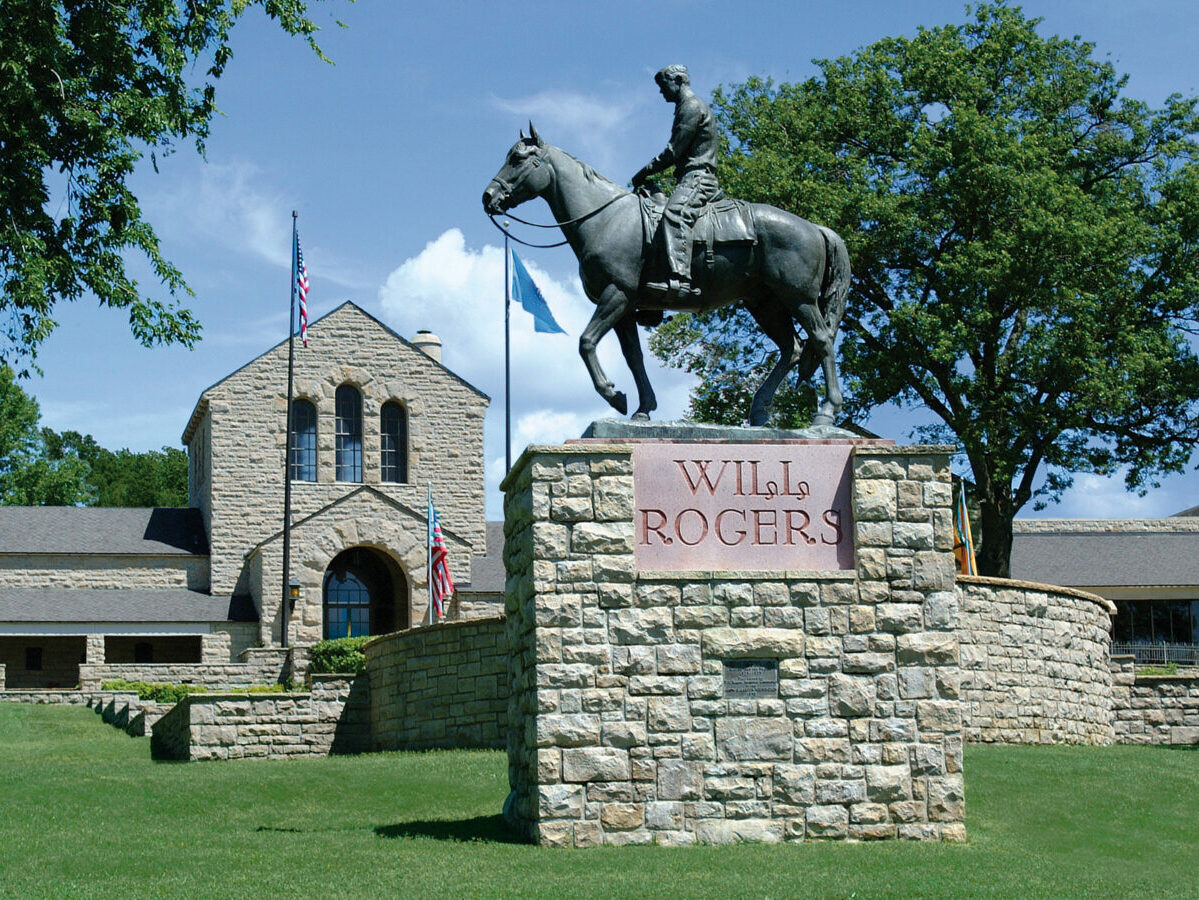
Discover the life and legacy of one of America’s most beloved humorists at the Will Rogers Memorial Museum. Set atop a hill overlooking the city of Claremore, the museum honors the wit, wisdom and enduring impact of Will Rogers. Known as “Oklahoma’s favorite son,” Will Rogers’ career spanned from vaudeville performer and movie star to cowboy, columnist and radio commentator.
Inside the 16,652-square-foot limestone structure, visitors can explore 12 expansive galleries filled with personal artifacts, rare photographs, manuscripts and memorabilia that trace Rogers’ rise from a Cherokee ranch in Indian Territory to worldwide fame. The museum houses the world’s largest collection of Will Rogers memorabilia, as well as a 2,400-square-foot research library and archives preserving his complete body of work.
Original artwork by renowned artists such as Charles Russell, Jo Davidson, Charles Banks Wilson and Count Tamburini is included within the museum’s exhibits. Also within the Will Rogers Memorial Museum is a dedicated children’s area, gift shop and a theater showing classic Will Rogers films daily.
The museum is located on land originally purchased by Will Rogers as the site of his future retirement home. Following his untimely death in a 1935 plane crash, the property was donated by his family and became the site of the museum, which opened to the public in 1938. The grounds include the family tomb, inscribed with Rogers’ enduring words: “I never met a man I didn’t like.”


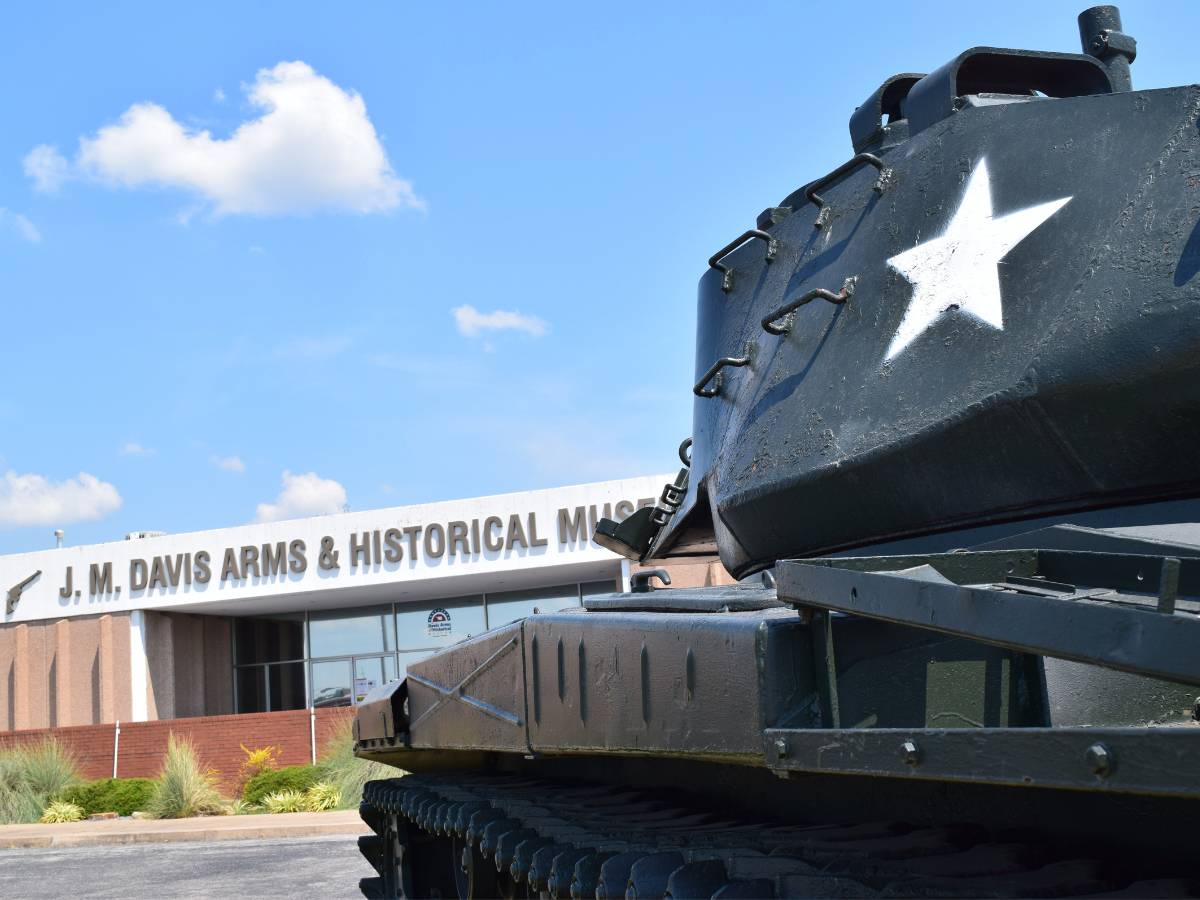
Every gun enthusiast’s dream, the J.M. Davis Arms & Historical Museum displays the world’s largest privately owned gun collection, with more than 12,000 firearms and thousands of non-firearm artifacts.
In addition to featuring the city’s most notable former residents—including Helen Walton Robson, astronaut Stuart Roosa, singing legend Patti Page, Bunion Derby winner Andy Payne, and world-famous playwright Lynn Riggs—Claremore Museum of History showcases the original “surrey with the fringe on top” from the musical Oklahoma!

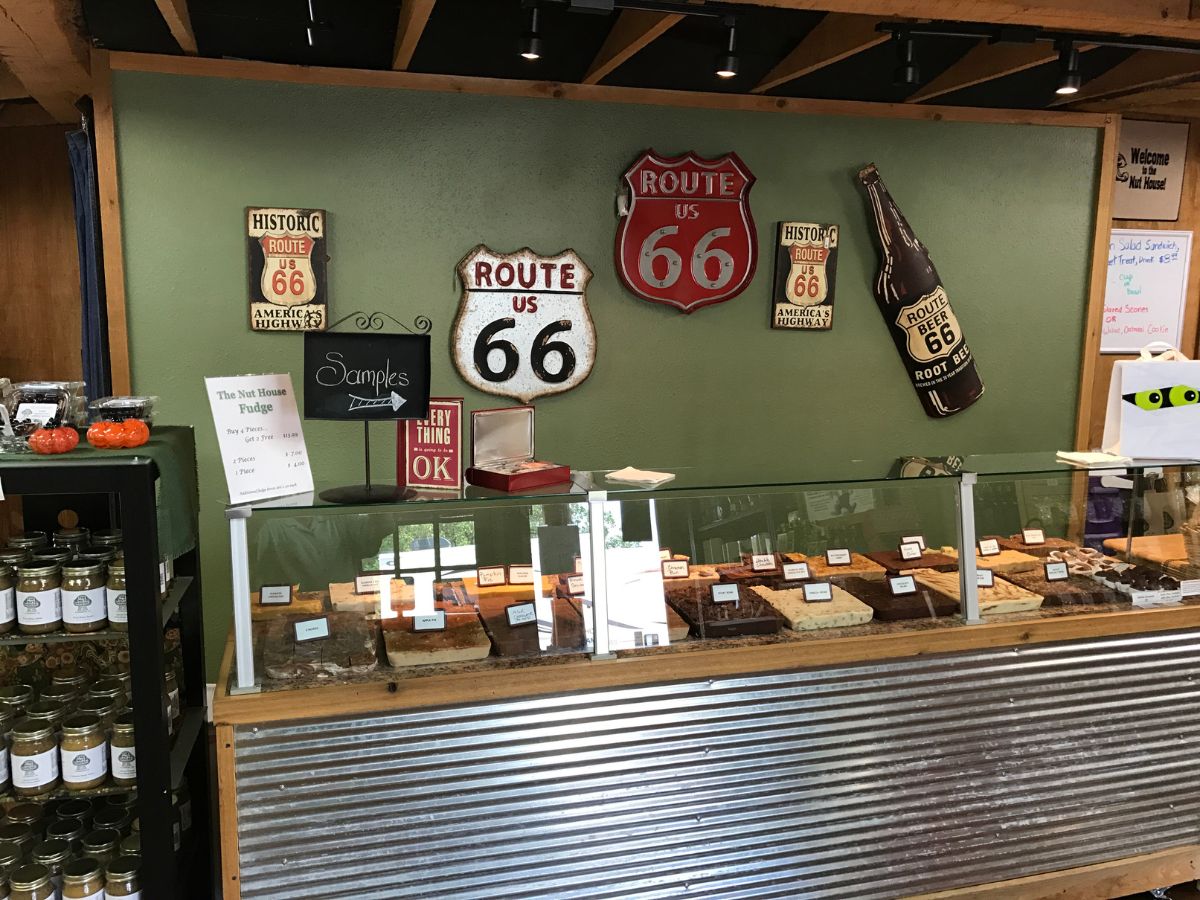
The Nut House is located just a few miles south of town on Route 66. With a full-service deli, an extensive gift shop, fresh fudge and, of course, nuts, The Nut House is a tourist’s dream stop. If you don’t have time to stop and browse, online ordering is available.
Take a step back in time and visit this original Route 66 service station. Listed on the National Register of Historic Places, this Mother Road icon is being refurbished to its former glory. Guests are invited to stop and take a picture of this historic landmark.

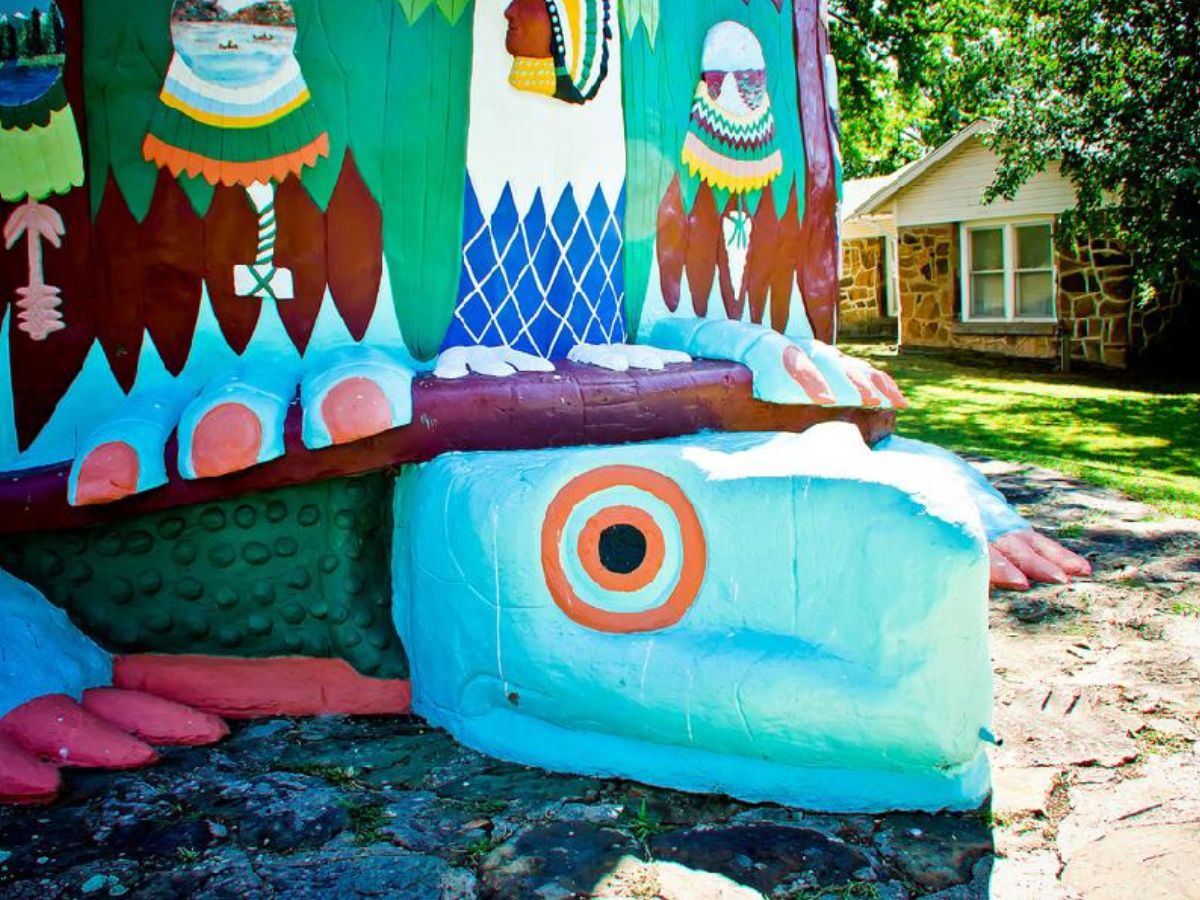
Your Route 66 trip isn’t complete without a stop at the World’s Largest Totem Pole. You literally can’t miss it, as it stands 90 feet tall and is made of red sandstone, steel, wood, and concrete. Artist and veteran Ed Galloway spent his retirement building a unique park and, in 1999, it was added to the National Register of Historic Places. Nearby is a “Fiddle House” displaying Galloway’s handcrafted fiddles and other inlaid wood artifacts. Roadside tables supported by small concrete totems provide travelers with the perfect spot for a picnic.
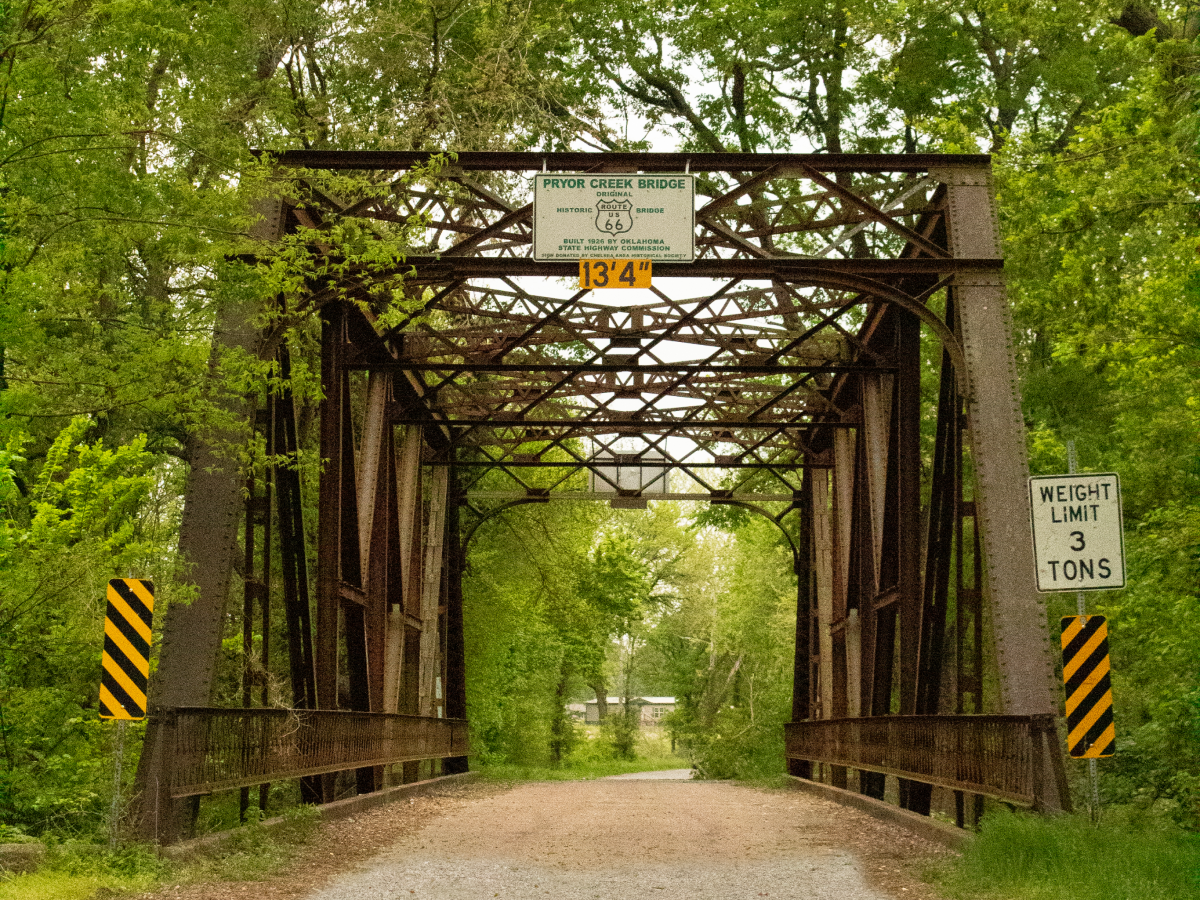
Part of the original Route 66 alignment, the historic 123-foot Pryor Creek Bridge is the only unaltered “pratt through truss” bridge left in Oklahoma today. The Pryor Creek Bridge was built in 1926. Travelers along the Mother Road drove along this bridge from 1926 to 1932, when a new alignment of Route 66 bypassed the bridge. Visitors can walk or drive along this incredible piece of Oklahoma and Route 66 history.
Discover more Route 66 attractions in Rogers County.
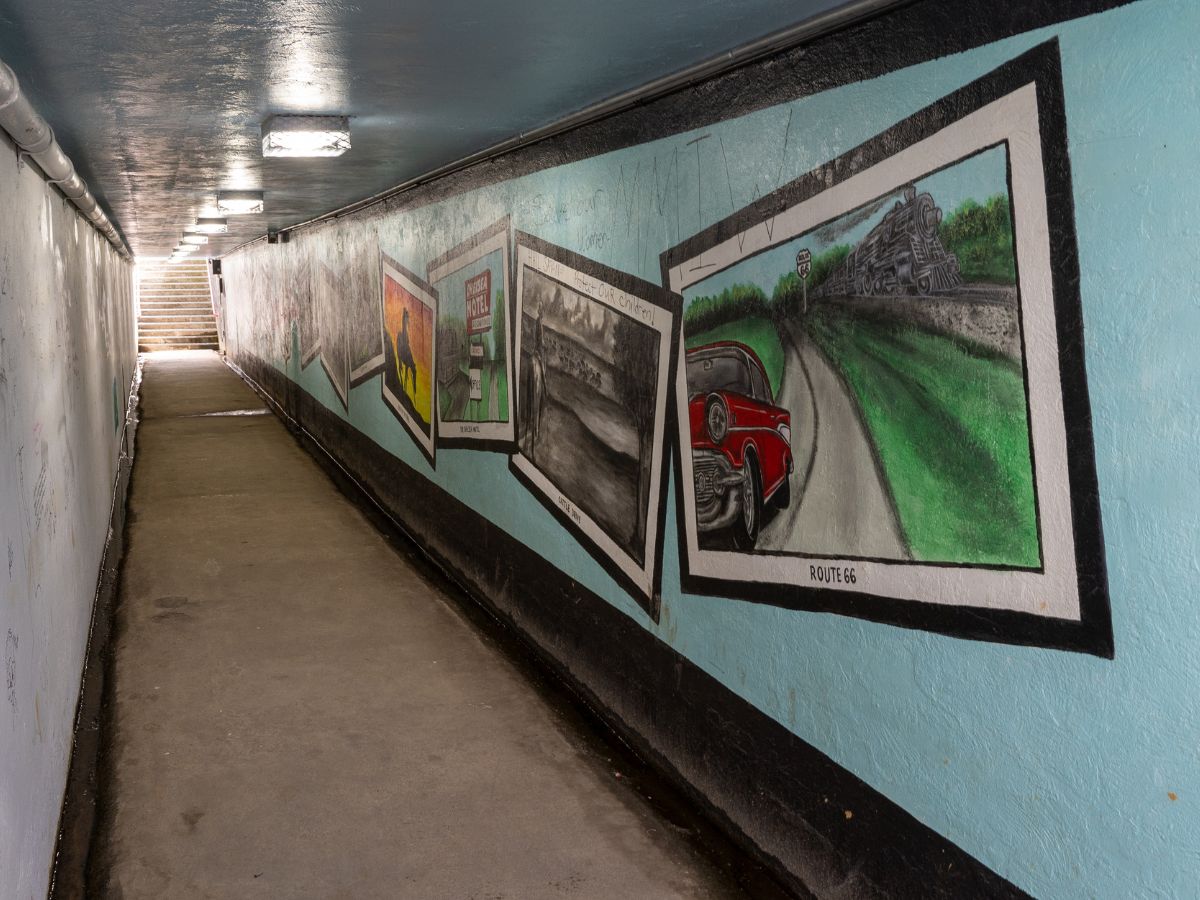
Take a trip under Route 66! Walk through one of the only open underpasses on the Oklahoma stretch of the Mother Road while taking in bits of Route 66 and Chelsea history. A mural pays tribute to historical elements of Chelsea, from a 1930s gas station to the Hogue House, and guests are invited to sign the mural to document their visit.
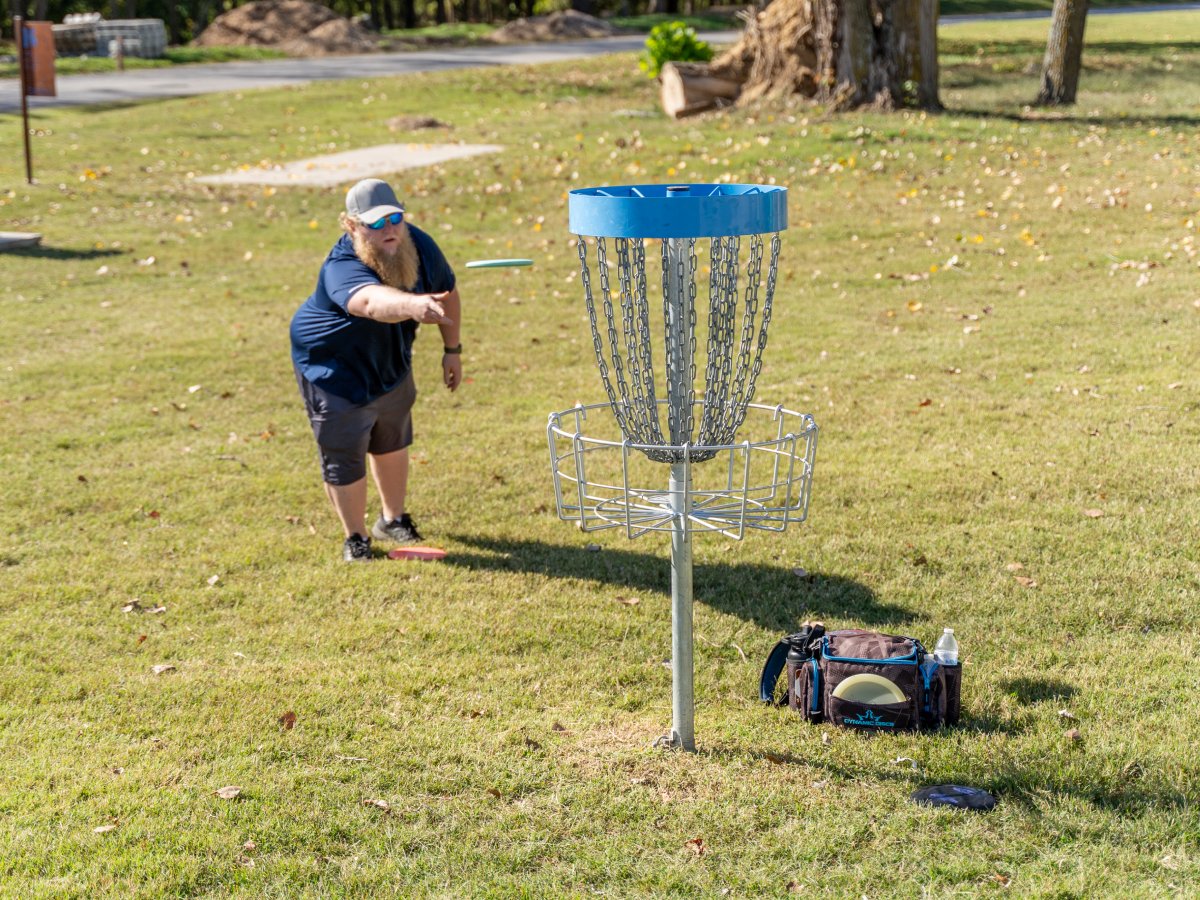
Located in Rogers Point Park, this 18-hole disc golf course includes par-4 holes and shorter tees to accommodate players of all skill levels. A mixture of wooded and open spaces, Twin Bridges features a putting area with three baskets, as well as a driving range with three tees.
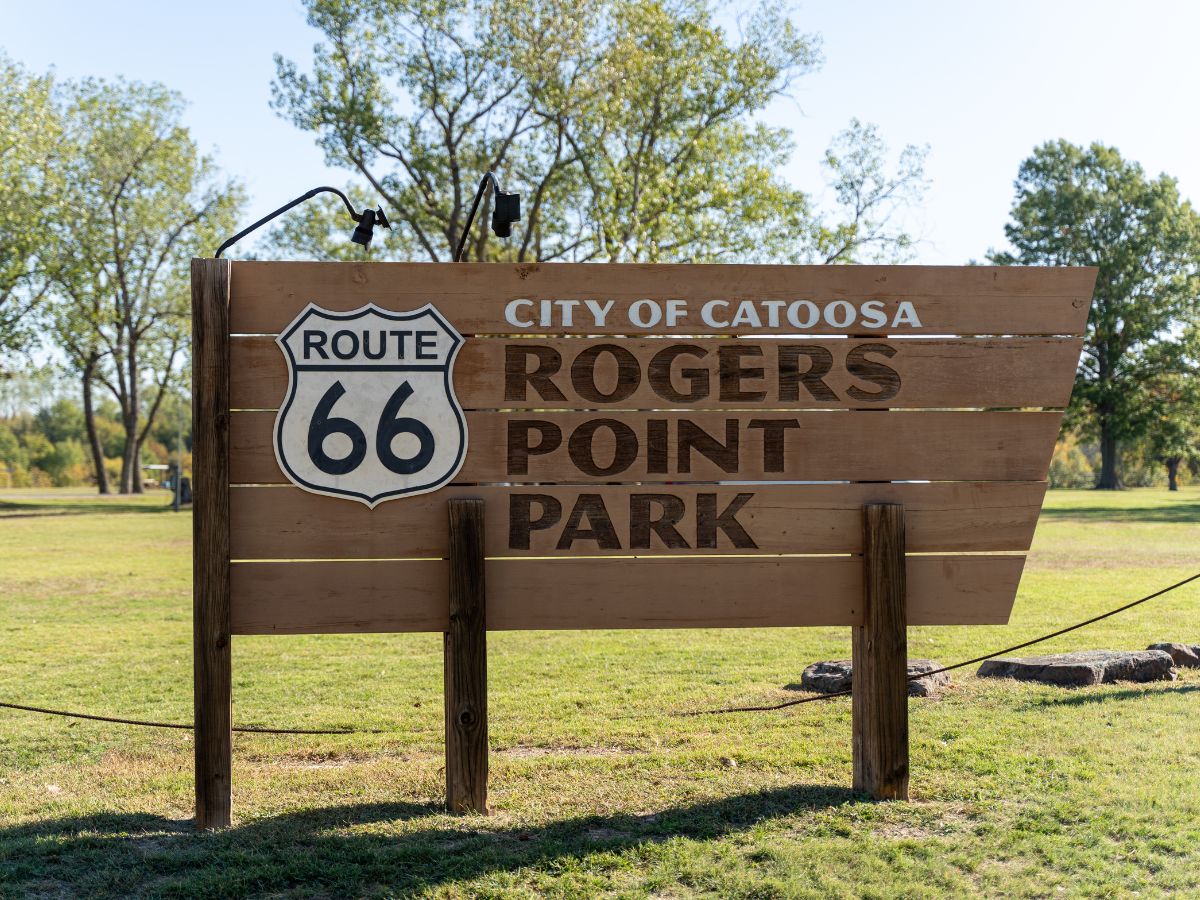
Located off historic Route 66, this scenic park is bordered by the Verdigris River. Rogers Point Park is home to the Twin Bridges Disc Golf Course, two boat ramps, a floating dock, covered picnic areas, and restroom facilities.
The Blue Whale of Catoosa is a well-known Route 66 attraction that holds a special place in Oklahoma’s roadside history. Created by zoologist Hugh S. Davis as a gift for his grandchildren, the whimsical structure began as a simple idea for a swimming spot and evolved into an 80-foot-long, 20-foot-tall concrete whale. Davis, along with his friend Harold Thomas, spent two years constructing the whale by hand, mixing cement in five-gallon buckets and welding the metal frame themselves. When it opened in July 1972, the Blue Whale quickly became a popular destination for swimming, fishing and family gatherings.
Though swimming is no longer allowed today, the site still welcomes visitors looking to enjoy a picnic, fish from the banks or feed the resident turtles. Restroom facilities are available on-site. Owned and maintained by the City of Catoosa, the park is slated for expansion with a new Route 66 welcome center. This charming roadside stop has been a favorite among families for decades and remains a memorable highlight for Route 66 travelers.


Spanning two buildings, the D.W. Correll Museum offers something for everyone. Guests can explore antique automobiles and other items of general interest and history, such as an antique Texaco gas pump. The second facility houses an extensive collection of rocks, gems, minerals, and seashells from around the world, along with highlights from the construction of the Tulsa ports.

Home to hundreds of antique vendors, eateries, coffee shops, bars, and specialty shops, The Lilac District in downtown Claremore is a favorite stop for residents and visitors.
